
Are Running Shoes Good For Hiking? [What You Should Know]
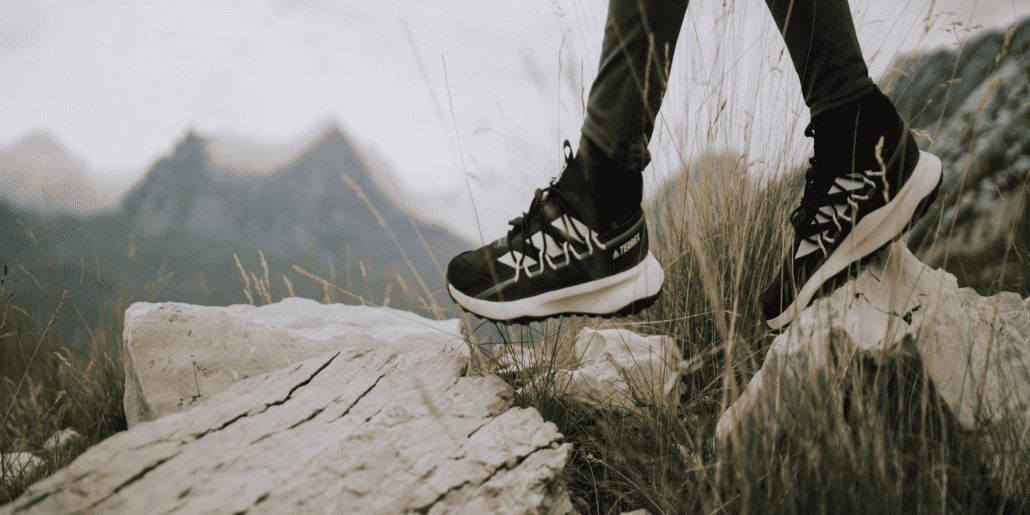
Considering hitting the trails with your trusty running shoes? Before you take that leap, it’s crucial to weigh the benefits and drawbacks.
In this article, you’ll delve into the world of footwear and explore whether running shoes are a good match for your hiking adventures. By comparing their features to traditional hiking shoes and uncovering the potential middle ground with trail runners, you’ll gain valuable insight into making the right choice.
So, lace up and get ready to discover the best footwear options for your outdoor escapades.
Key Takeaways
- Running shoes can be a convenient and lightweight option for hiking, especially on longer trails.
- They offer flexibility and natural foot movement, making them comfortable for some hikers.
- However, running shoes may not provide adequate support for uneven terrain and may lack traction on slippery surfaces.
- Additionally, they are not typically waterproof, which can be uncomfortable in wet conditions.
Pros of Wearing Running Shoes for Hiking
When hiking, you may find running shoes advantageous for their lightweight and breathable design.
The pros of using trail runners for hiking are numerous. Their lightweight nature makes them ideal for longer hikes, reducing fatigue.
The breathability of running shoes keeps your feet cool, especially in warmer weather, enhancing overall comfort.
Additionally, their flexibility allows for natural foot movement, potentially reducing the risk of discomfort or injury.
However, it’s important to note that running shoes are less durable compared to traditional hiking shoes.
The durability of hiking shoes far exceeds that of running shoes, making them a more reliable option for challenging terrains and extended use.
Ultimately, while running shoes have their benefits for hiking, it’s essential to consider the specific trail conditions and the level of support and durability required for a safe and enjoyable hiking experience.
Cons of Wearing Running Shoes for Hiking
Wearing running shoes for hiking may pose challenges due to their limited ankle support and potential lack of traction on uneven terrain. When considering the limitations of running shoes for long hikes, it’s essential to recognize the impact of trail conditions on their performance. Here’s a breakdown of the cons of using running shoes for hiking:
| Cons of Running Shoes for Hiking | |||
|---|---|---|---|
| Limited ankle support | Potential lack of traction on uneven terrain | Not waterproof | Less durable than hiking shoes |
While running shoes offer comfort and flexibility, they may not provide the necessary stability and protection required for extensive hiking. The lack of ankle support and traction can make traversing rugged trails more challenging. Additionally, their non-waterproof nature and lower durability can lead to discomfort and the need for frequent replacements. When facing demanding trail conditions, it’s important to consider these drawbacks when choosing the right footwear for your hiking adventures.
Benefits of Lightweight Running Shoes
Considering the benefits of lightweight running shoes for hiking, you’ll find that their agility and minimal weight can enhance your overall trail experience.
Lightweight running shoes offer a sense of freedom and agility that can make your hiking adventures more enjoyable.
Their minimal weight reduces fatigue, allowing for longer hikes with less strain on your feet and legs.
Compared to traditional hiking shoes, the lighter design of running shoes promotes a more natural and unrestricted movement, ideal for those who seek a more liberating experience on the trails.
Additionally, the breathable nature of lightweight running shoes can keep your feet cool and comfortable during warmer weather, providing a pleasant hiking experience.
Limitations of Running Shoes for Hiking
You may encounter limitations when using running shoes for hiking, especially on rugged terrains or in wet conditions. When comparing the durability of hiking shoes and running shoes, running shoes are less durable, needing replacement every 350-500 miles. They may not provide adequate support for uneven terrain, and their lightweight outsoles can be slippery. Additionally, running shoes are typically not waterproof, which can lead to discomfort during wet weather. To make this comparison clearer, here’s a breakdown:
| Limitations of Running Shoes for Hiking | Durability Comparison |
|---|---|
| Less durable, needing frequent replacement | Hiking shoes are highly durable, lasting years or over 1,000 miles |
| Inadequate support for uneven terrain | Hiking shoes provide sturdy and protective support, including ankle and arch support |
| Not waterproof, leading to discomfort in wet conditions | Some hiking shoes offer waterproof options for protection |
When embarking on long hikes or challenging trails, consider the limitations of running shoes and opt for hiking shoes that offer better durability and support.
Key Differences Between Hiking and Running Shoes
When choosing between hiking and running shoes, it’s important to understand their key differences in support, durability, and versatility.
Hiking Shoes:
Provide sturdy support, including ankle and arch support.
Have good traction with stiff outsoles and deep grooves.
Tend to be heavier and highly durable, lasting years or over 1,000 miles.
Some offer waterproof options.
Running Shoes:
Offer arch support but lack ankle support.
Have lighter outsoles, typically not waterproof, and less durable.
Lightweight in comparison to hiking shoes, suitable for running, walking, gym, and everyday use.
When compared to trail runners, hiking shoes offer more robust ankle and arch support, better traction, and enhanced durability, making them ideal for challenging terrains and longer hikes.
Trail runners, on the other hand, strike a balance between lightweight design and durability, providing better traction than regular running shoes and versatility for various outdoor activities.
Considerations for Choosing Hiking Shoes
Before deciding on hiking shoes, ensure that they provide the necessary arch and ankle support for stability and protection on the trails. When choosing the right hiking shoes for different terrains, it’s crucial to consider proper sizing and fit. Here’s a quick guide to help you make the best choice:
| Consideration | Description |
|---|---|
| Terrain | Choose shoes with appropriate traction for the terrain you’ll encounter, such as deep lugs for muddy trails and sturdy soles for rocky paths. |
| Sizing | Ensure a snug fit with enough room for your toes to wiggle. Remember that feet may swell during long hikes. |
| Waterproofing | Depending on your hiking environment, consider waterproof shoes to keep your feet dry and comfortable during wet conditions. |
| Comfort | Prioritize comfort to prevent blisters and discomfort. Test the shoes by walking on inclines and declines to gauge their performance. |
Trail Runners as an Alternative
An alternative to traditional hiking shoes that you may want to consider for your outdoor adventures is trail runners. Trail runners are a suitable alternative to both running shoes and hiking shoes, offering a balance between lightweight design and durability.
Here’s what you should know about trail runners as an option for your hikes:
Trail runners provide better traction compared to regular running shoes. This improved traction can enhance stability and safety on uneven or slippery trails.
Trail runners are versatile and can be used for various outdoor activities. This versatility allows you to transition seamlessly between trail running and hiking, offering flexibility and freedom for your outdoor pursuits.
When comparing trail running vs. hiking for cardio, trail running often provides a more intense cardiovascular workout. Additionally, while hiking shoes are highly durable, trail runners offer a lightweight and adaptable option for various outdoor activities.
Importance of Arch and Ankle Support
Discussing the importance of arch and ankle support when choosing the right shoes for hiking, it’s crucial to prioritize stability and comfort to prevent potential injuries on the trail.
Lightweight running shoes can offer benefits such as flexibility and breathability, but they often lack the essential arch and ankle support needed for hiking on uneven terrain. Proper arch support helps distribute pressure evenly, reducing strain on the feet during long hikes, while ankle support provides stability and helps prevent twists and sprains.
When considering lightweight running shoes for hiking, it’s important to prioritize models that provide adequate arch and ankle support to ensure your safety and comfort on the trail.
Prioritizing these features will help you maintain stability and reduce the risk of potential injuries while enjoying your hiking adventures.
Traction for Stability on Trails
For stability on trails, choose running shoes with good traction to prevent slipping and ensure a secure footing on various terrains. When considering traction for stability on trails, it’s important to understand the benefits and impact on foot health.
Here are some key points to consider:
Traction Benefits:
Good traction prevents slipping, especially on loose or slippery surfaces.
Ensures a secure grip, enhancing stability and confidence while hiking.
Impact on Foot Health:
Proper traction reduces the risk of ankle twists or falls.
Provides stability, potentially minimizing the impact on joints and muscles.
Having running shoes with excellent traction not only enhances your hiking experience but also contributes to the overall health and well-being of your feet and lower body.
Waterproof Considerations for Hiking Shoes
Consider prioritizing waterproofing for your hiking footwear to ensure protection against wet conditions and maintain comfort throughout your outdoor adventures. Waterproof hiking shoes provide an advantage over non-waterproof ones, especially when hiking in rainy or wet environments. They keep your feet dry, preventing discomfort and potential blisters caused by moisture.
While running shoes may be lightweight and comfortable, they’re typically not waterproof, which can lead to soggy socks and discomfort during your hike. Additionally, the durability of running shoes for hiking may be compromised when exposed to water, potentially shortening their lifespan.
Therefore, when choosing footwear for hiking, especially in wet conditions, opt for waterproof hiking shoes to ensure a more pleasant and enduring outdoor experience.
Prioritizing Comfort in Hiking Shoes
Prioritizing comfort in hiking shoes involves ensuring that your footwear supports your feet and provides the necessary cushioning for a pleasant and pain-free hiking experience. When selecting hiking shoes, it’s essential to prioritize comfort, considering the importance of proper fit and the durability of the shoes.
Here’s what to keep in mind:
Importance of Proper Fit:
Look for shoes that fit snugly but not too tight, providing ample room for your toes to wiggle.
Ensure the shoes have good arch and ankle support to prevent discomfort and potential injuries.
Durability of Hiking Shoes:
Opt for shoes made of high-quality, durable materials to withstand the demands of various terrains.
Consider the outsole and midsole construction, as these impact the longevity and performance of the shoes.
Using Running Shoes for Walking
When walking in running shoes, ensure they provide sufficient arch and ankle support to prevent discomfort and potential injuries.
While running shoes are primarily designed for running, they can also be suitable for walking. The benefits of using running shoes for walking include their lightweight and breathable design, as well as their flexibility, which allows for natural foot movement.
However, when compared to hiking shoes, running shoes may lack the sturdiness and protective support needed for challenging terrains. Hiking shoes offer better traction, waterproof options, and durability, making them more suitable for intense hikes.
Despite this, many individuals find running shoes comfortable and supportive enough for walking, and they’re a popular choice for everyday use due to their versatility.
When deciding between running shoes and hiking shoes for walking, consider the specific terrain and support needed for your walking adventures.
Frequently Asked Questions
Can Running Shoes Be Used for Other Outdoor Activities Besides Hiking and Running?
You can absolutely use running shoes for other outdoor activities besides hiking and running. They’re great for trail running and cross training. Running shoes offer comfort, versatility, and lightweight design, making them suitable for various activities.
How Do Trail Runners Differ From Traditional Running Shoes and Hiking Shoes?
When choosing footwear for trails, consider trail running vs hiking shoes. Look for good arch and ankle support, traction for stability, and waterproof options. Find a pair that suits your specific needs and preferences.
Are There Specific Features to Look for in Hiking Shoes to Ensure Comfort and Support?
When choosing hiking shoes, prioritize comfort and support. Look for good arch and ankle support, traction for stability, and waterproof options. Finding a pair that suits your specific needs and preferences is key.
What Are the Benefits of Using Running Shoes for Walking Instead of Traditional Walking Shoes?
When walking, running shoes offer benefits like comfort and support. They are versatile and can be used for various activities. Some people find them more comfortable than traditional walking shoes, providing freedom of movement.
Are There Any Specific Guidelines for Choosing the Right Shoes for Hiking in Terms of Arch and Ankle Support?
When choosing footwear for hiking, it’s crucial to prioritize arch and ankle support. These elements provide stability and protect your feet on outdoor excursions. Look for shoes that offer these features to ensure a comfortable and safe hiking experience.
Conclusion
So, are running shoes good for hiking?
While they may offer lightweight comfort and versatility, they may not provide the necessary support and protection for rugged trails.
It’s important to consider the terrain and your specific hiking needs before making a decision.
After all, when it comes to the great outdoors, your footwear can make all the difference in your experience, right?


Leave a Reply
Want to join the discussion?Feel free to contribute!